More than 20 years of experience
Supporting intended parents through international reproductive journeys.

International reproductive medicine
Clinical, legal and international coordination with clear, personal and attentive support throughout every stage of the process.
Supporting intended parents through international reproductive journeys.
One team coordinates every stage, provider and specialist.
Protocols designed for each case and the legislation applicable at every destination.
Individual solutions
We do not support standardisation. We work to individualise every case according to your needs, timings and budget, with economic assessment and available payment schedules.
Commercial surrogacy programmes coordinated across borders, with legal and clinical support tailored to each family.
Identification and coordination of appropriate fertility clinics, treatments and specialists.
Guidance on egg and sperm donation options according to clinical needs and local legislation.
Complementary professional support designed around physical and emotional wellbeing.
Clinical and legal guidance on available embryo adoption and donation programmes.
Planning and coordination of fertility preservation through oocyte vitrification.
Secure cross-border coordination of embryos and other genetic material between clinics.
Clinical, legal and destination guidance regarding available gender-selection options.
Identification of suitable medical providers, specialists and destinations for each individual case.
Individual assessment of reproductive projects not covered by the categories above.
We coordinate commercial surrogacy programmes in the USA, Canada, Ukraine, Georgia, Armenia, Cyprus, the Czech Republic, Colombia and Albania, working with assisted reproduction clinics in those countries, trusted local agencies and each patient’s local clinic.
Experienced clinics and professionals, with programmes assessed according to the laws, parentage rules and requirements of the applicable state.
An altruistic model in which the surrogate is not paid, although certain properly documented expenses may be reimbursed under applicable rules.
Eligibility, medical options, travel, security conditions and consular procedures are evaluated individually before proceeding.
An international option subject to the medical, family and legal requirements in force at the time each case is assessed.
Treatment feasibility, parentage, documentation and travel requirements are verified individually before the process begins.
Limassol may allow certain stages to begin in Europe, including—when legally and clinically appropriate—the subsequent transport of embryos to the USA.
We work with assisted reproduction clinics in the Czech Republic. Because surrogacy is not governed by a specific legal framework, every case requires individual clinical and legal assessment, including parentage, documentation and eligibility.
Surrogacy 365 does not maintain its own office in Colombia. We work in partnership with a specialised local surrogacy agency and assisted reproduction clinics in the country. Suitable clients are referred to our Colombian partner, and both teams jointly manage and coordinate each case. Every programme remains subject to individual clinical and legal assessment, including eligibility, parentage and applicable documentation.
We work with a local assisted reproduction clinic in Albania. Ukrainian or American gestational carriers may travel there for IVF coordination and embryo transfer and then return to their country of origin to continue the pregnancy and give birth. Every arrangement is subject to prior individual medical, legal, immigration and travel assessment in all countries involved.
During the armed conflict, our company continues to offer Ukraine only after an individual safety assessment. We have operated there uninterruptedly since the year 2000 and have activated protocols with clinics outside Ukraine and in carefully assessed areas within the country. This allows continuity of medical services while adapting each solution to the patient’s circumstances. Conditions can change and are reviewed case by case.
Our principal partner clinic is located in Limassol. It has specific US regulatory authorisation applicable to the creation of embryos for international patients outside the United States and their subsequent shipment to the USA, subject to verification for each case. The same clinical network also works with an associated clinic in Northern Cyprus, where procedures are assessed according to the legislation and clinical rules in force. Independent legal and regulatory confirmation is required before treatment.
How we work
From the first conversation onward, we remain attentive to the procedures that may arise in the future, coordinating communication between all service providers and the intended parents.
We listen to your needs, priorities, timings and preferred communication channel: voice call, WhatsApp or videoconference.
We evaluate clinical and legal alternatives, destinations, estimated costs and available payment schedules.
We coordinate clinics, lawyers, specialists and other providers while complying with local legislation.
We remain in close contact throughout the process and help anticipate the procedures that may be required later.
International expertise
Carlos Leiva Signes is the principal contact for intended parents in Spain and the European Union, supported by the international team of MAHRTA LLC.
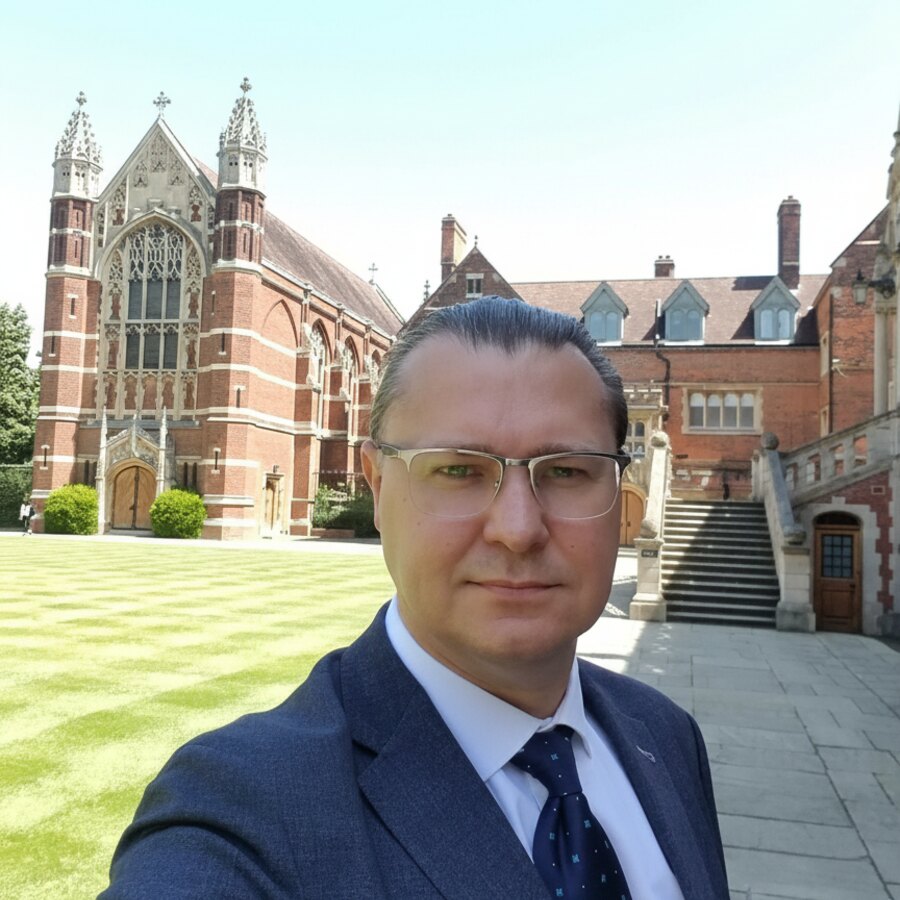
Founder, Director & Legal Counsel
Direction and international legal coordination.

Senior Case Manager — Spain & European Union · Paramedic in Reproductive Medicine
Principal contact and case coordination for European intended parents.
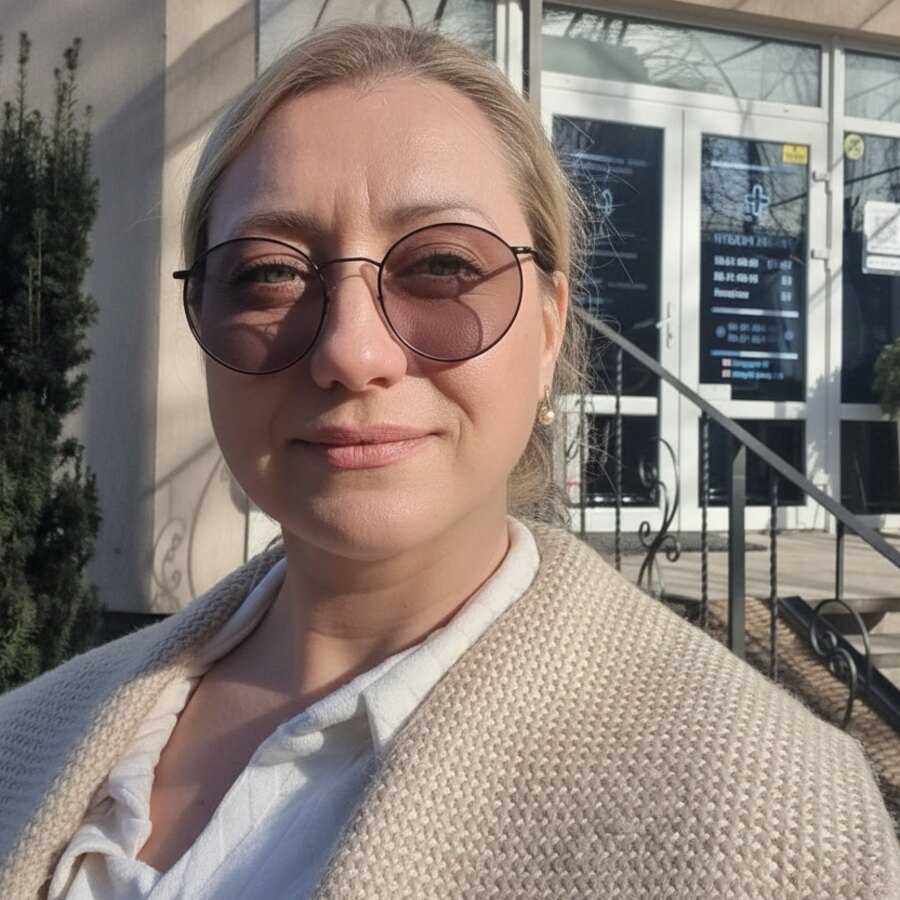
Senior Surrogates and Egg Donors Manager
Coordination with surrogates and egg donors.
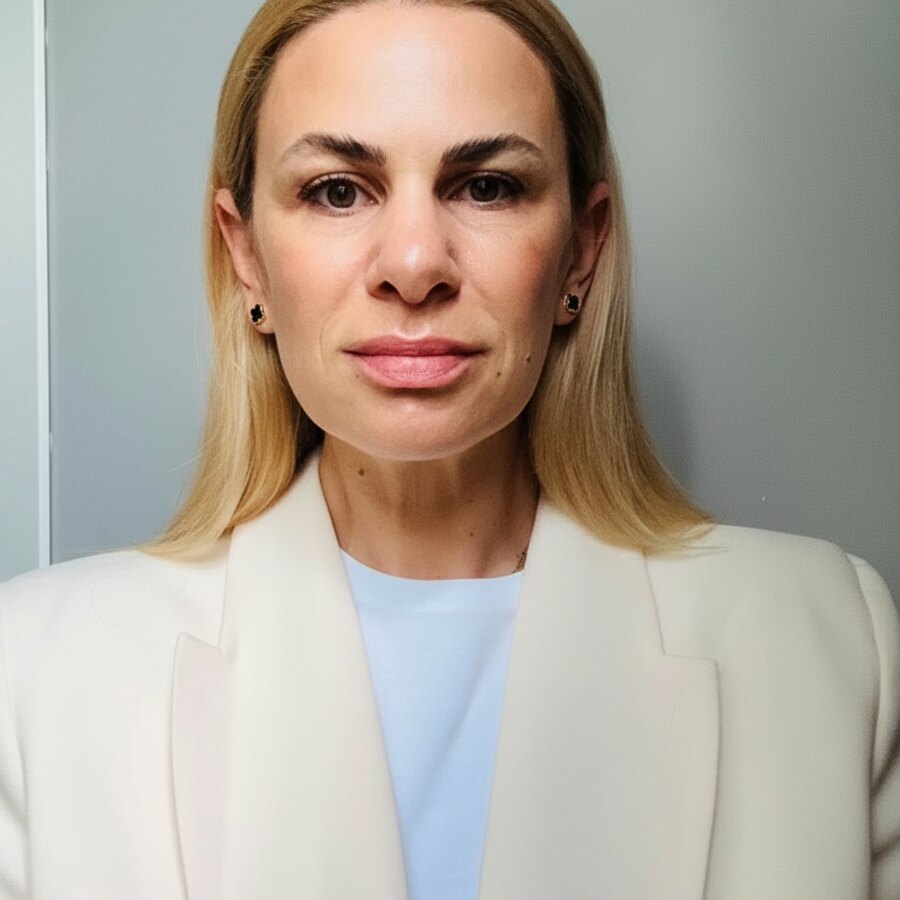
International Medical Travel Manager
Coordination of international medical travel.
Spanish Fertility Society · American Society for Reproductive Medicine · European Society of Human Reproduction and Embryology · Society for Assisted Reproductive Technology · The National Infertility Association · Association of Reproductive Managers · Medical Tourism Association
Tell us about your case
Request a consultation and a company case manager will contact you shortly through your selected channel.

